
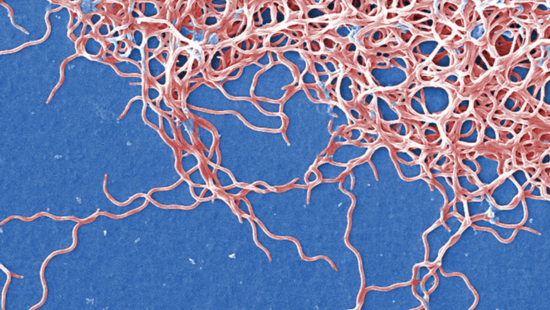
 In a new study, Professor Brian Hoffman and collaborators from Uniformed Services University uncovered a surprising vulnerability in Borrelia burgdorferi, the bacterium that causes Lyme disease. Although manganese protects the pathogen from the host immune system, the team found that both manganese starvation and overload weaken the bacterium dramatically. Targeting this metal-management pathway could open new strategies for more effective Lyme disease treatments.