
Dimensions of drug delivery: Why architecture matters in nanomedicine
May 7, 2026
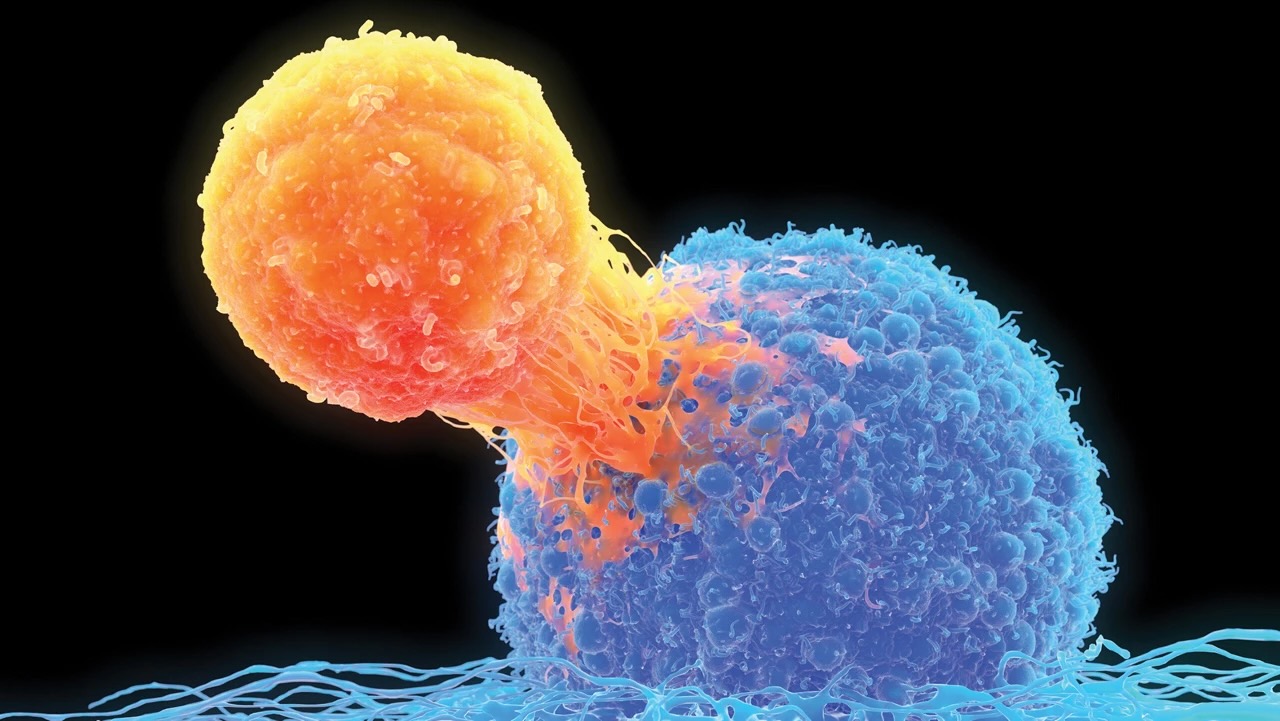 How reorganizing existing drugs and vaccine components can dramatically alter their potency, selectivity, and even their mechanism of action.
A chemotherapy drug first synthesized in 1957 becomes 22,000 times as potent when restructured as a spherical nucleic acid (SNA). The same drug, reorganized as a linear polymer, works via a completely different mechanism. And a single strand of RNA, folded into an origami scaffold, reprograms tumor-protecting immune cells into tumor killers by being in the right shape.
These findings demonstrate a new principle that researchers are uncovering: at the nanoscale, how you build a therapeutic is just as important as what you build it from.
For decades, nanomedicine has treated structure as a secondary consideration—an engineering detail to optimize once you’ve chosen the right cargo. And the vaccines made from messenger RNA (mRNA) and lipid nanoparticles vindicated that logic: no two particles in a batch were identical, and they still saved millions of lives.