
HPV Cancer Vaccine Slows Tumor Growth, Extends Survival in Preclinical Model
February 11, 2026
by Amanda Morris
Throughout the past decade, Northwestern University scientists have uncovered a striking principle of vaccine design: Performance depends not only on vaccine components but also on vaccine structure.
After proving this concept across multiple studies, the team developed therapeutic cancer vaccines to tackle one of the most challenging targets yet—HPV-driven tumors. In a new study, the scientists discovered that systematically changing the orientation and placement of a single cancer-targeting peptide can lead to formulations that supercharge the immune system’s ability to attack tumors.
The study was published Feb. 11 in the journal Science Advances.
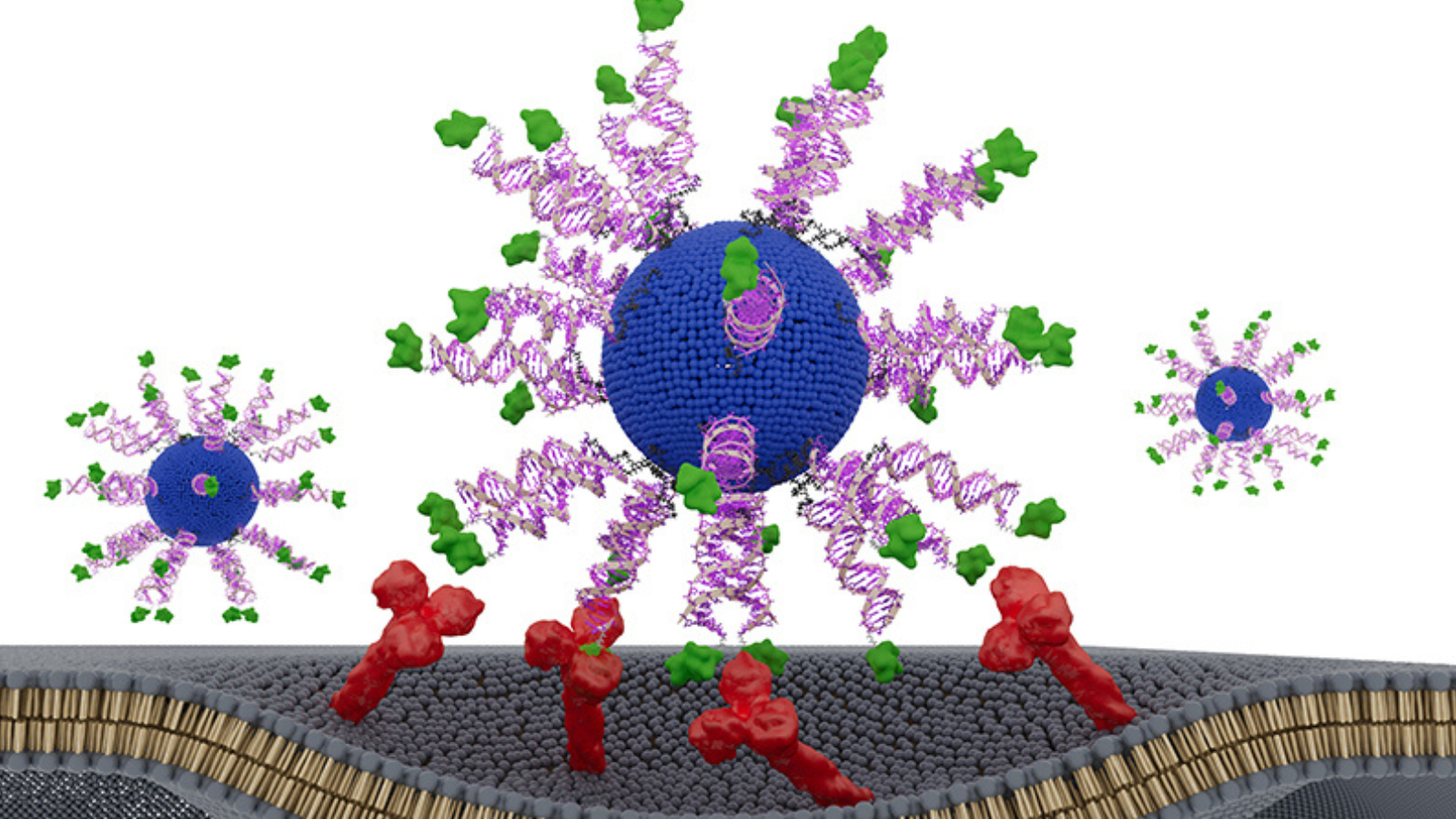
The team first designed a vaccine as a spherical nucleic acid (SNA)—a globular form of DNA that naturally enters and stimulates immune cells—and deliberately rearranged the SNA’s components in various ways. Then, they tested each version in humanized animal models of HPV-positive cancer and in patient-derived head and neck cancer tumor samples.